


In a digital landscape where speed and adaptability decide winners, Agile methodologies have become essential for effective mobile app development. At Swarm Digital, we embrace Agile to ensure transparency, close collaboration, and on-time delivery. Here’s how you can optimize your mobile development process.
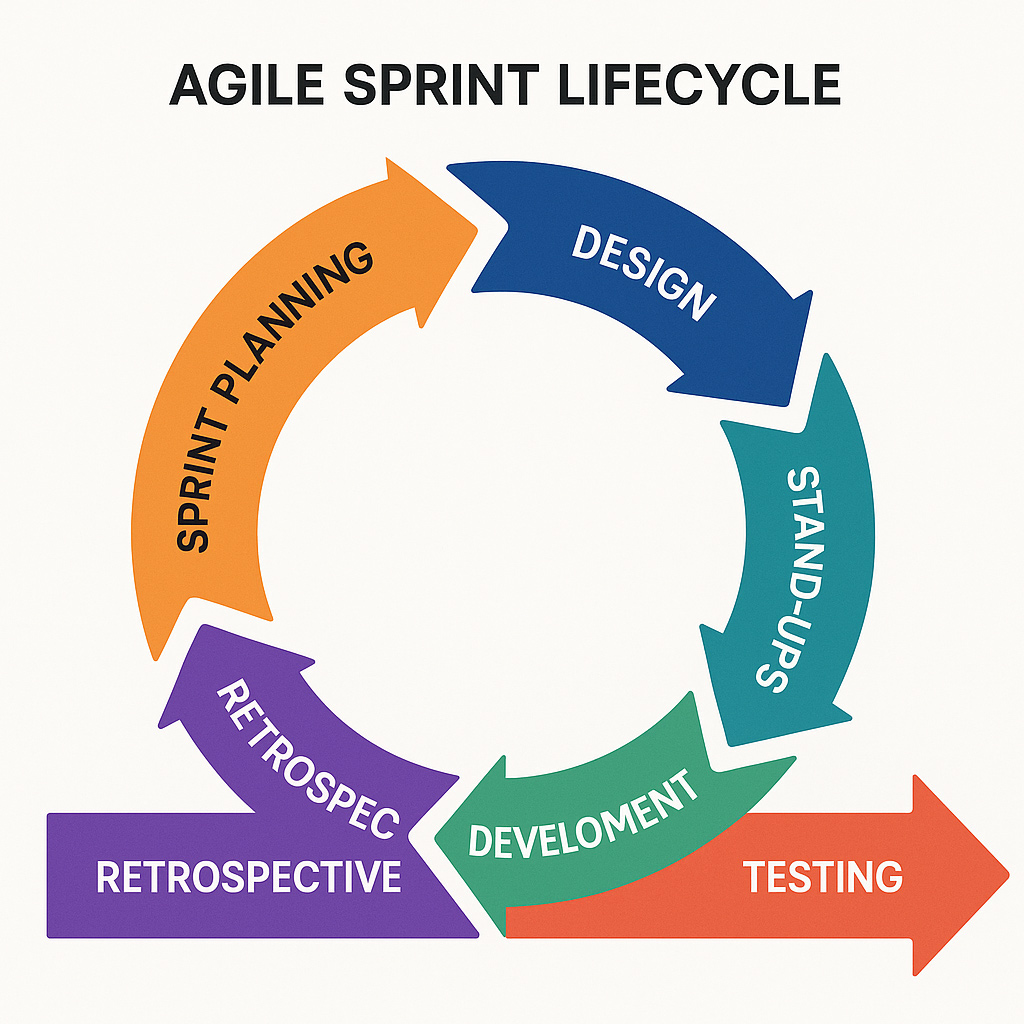
1. Sprint Planning: Starting with Clarity
Each sprint begins with a clearly defined goal. The product owner outlines the user stories based on business objectives—be it onboarding flows, push notifications, or payments. Developers, UX/UI designers, and QA engineers prioritize backlog items and estimate effort using story points.
This collaborative session ensures that everyone knows sprint commitments (typically 2 weeks) and understands the Definition of Done: functional features, unit tests, and UX acceptance.
2. Designing with Developers in Mind
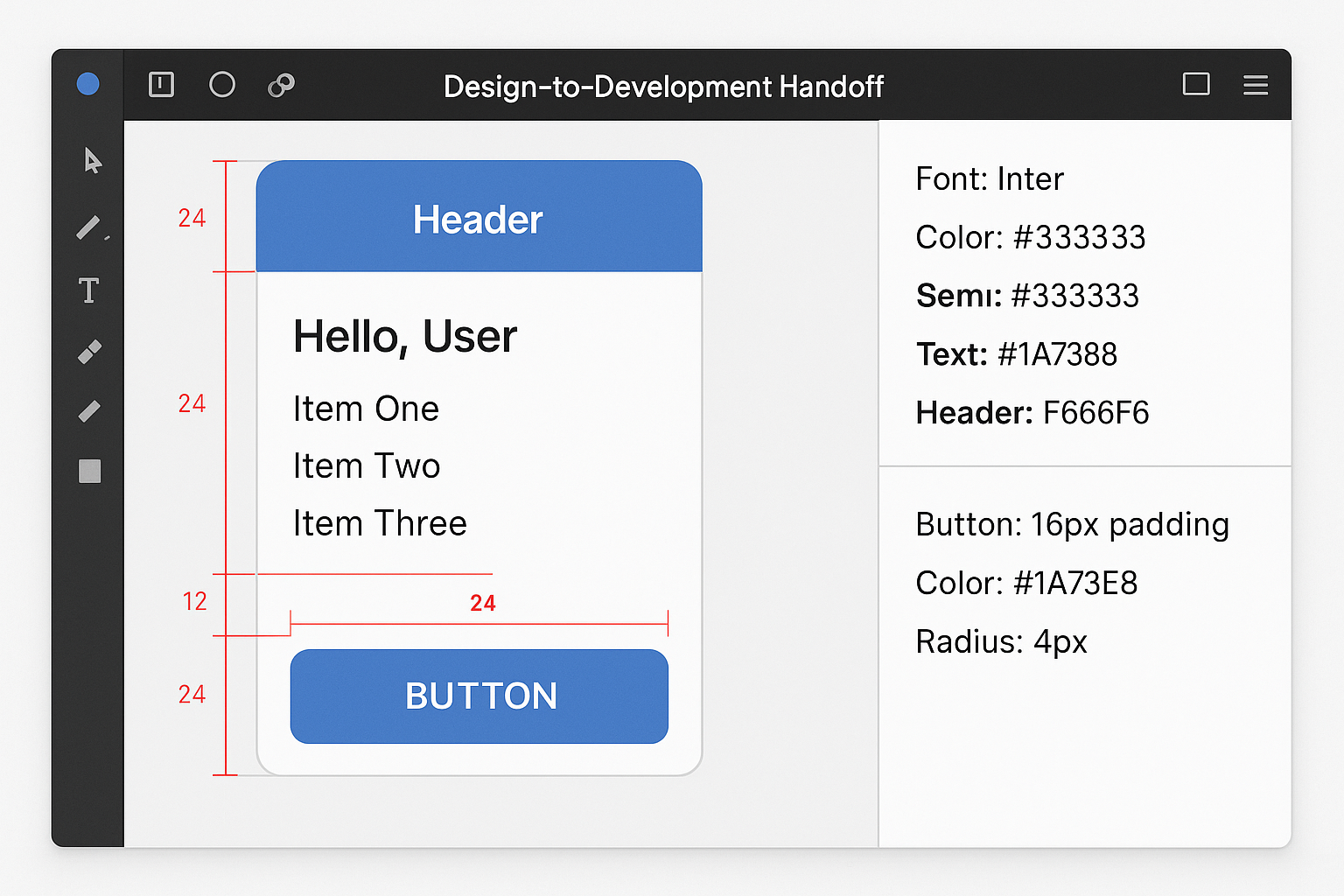
Instead of wireframes handed over late, mobile UX/UI designers at Swarm work in tandem with developers from day one. They use tools like Figma with integrated specs. Live design reviews ensure that animations, gesture interactions, and adaptive layouts are technically feasible and follow platform conventions for iOS and Android.
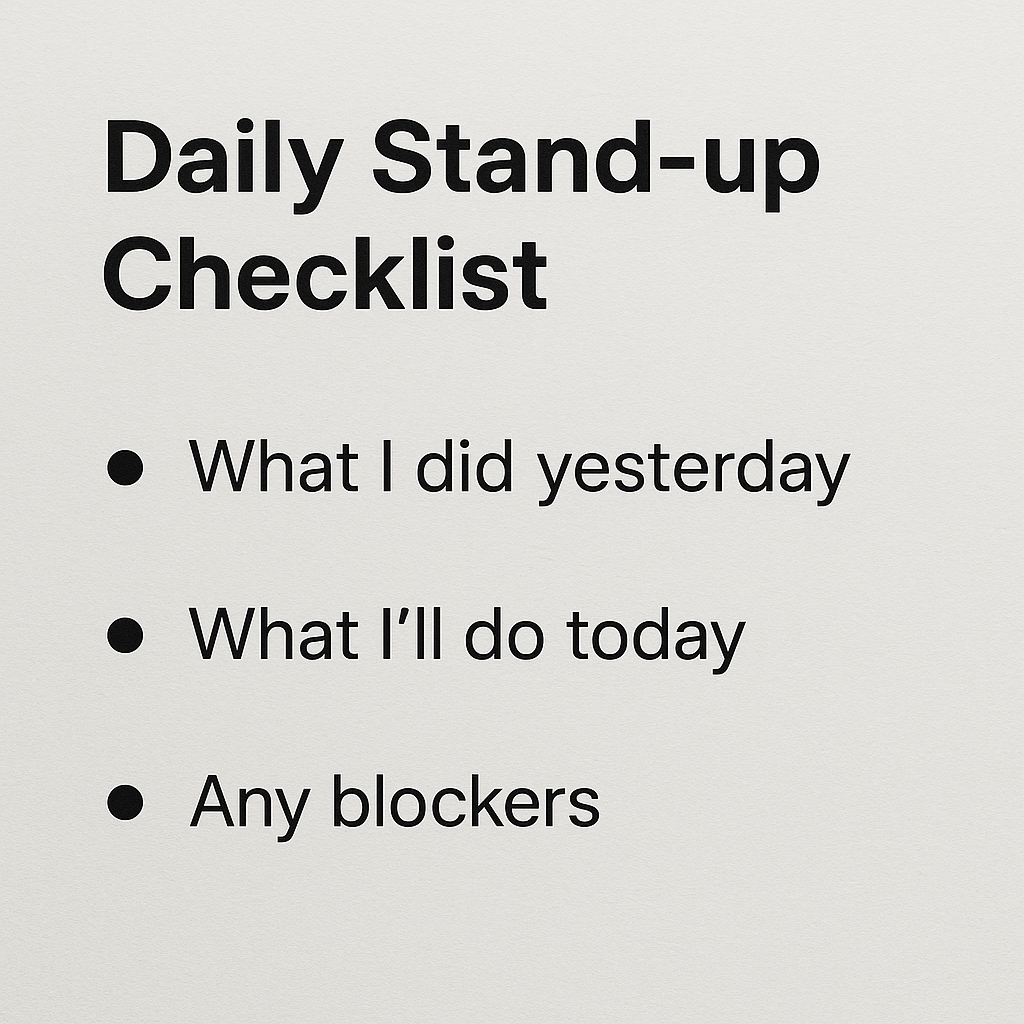
3. Daily Stand‑Ups: Keeping Projects on Track
Brief daily scrums allow each team member to share progress, blockers, and priorities. This reinforces collective ownership and enables the rapid resolution of issues—whether it’s a code conflict, missing assets, or third‑party dependency delays.
4. Continuous Integration & Testing
By mid‑sprint, code is pushed to a shared repo and builds run automatically (using tools like GitHub Actions). Unit and integration tests validate core logic, while build artifacts are generated for internal distribution. Early discovery of build failures or platform compatibility issues saves time and reduces technical debt.
QA testers validate features on physical devices (iOS and Android) and on screen sizes ranging from 4.7″ to 6.7″+. Automated UI tests (with Fastlane Snapshot, Detox, or Appium) simulate flows like login, form submission, or offline mode.
5. Sprint Review & Retrospectives
At the end of each sprint, stakeholders and clients view a live demo of the app build. Feedback is captured in real time, and new user stories are drafted into subsequent sprints.
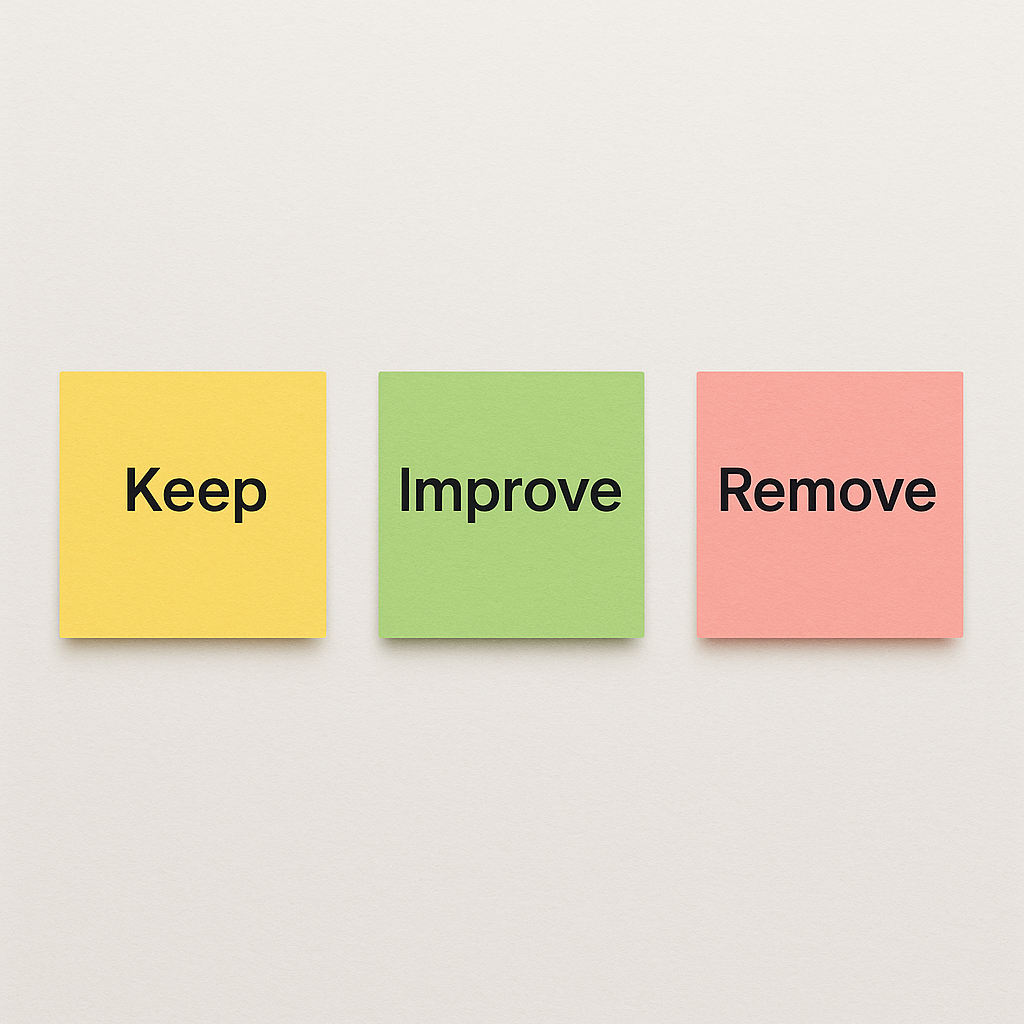
In retrospectives, the team explores what worked well (e.g. pairing on tricky platform logic) and what didn’t (e.g. insufficient mock APIs). Actionable improvements are agreed upon and applied in future cycles.
6. Release & Phase-Out
Once the MVP or featureset is complete, our release workflow includes:
- Beta distribution via TestFlight and Google Play Internal Testing
- Crash monitoring and analytics integration (Firebase, Sentry)
- Store submission with optimized metadata (titles, descriptions, visuals)
- A soft launch in selected markets before full rollout
This phased approach identifies any last‑mile issues—certificate mismatches, memory peaks, or failing store compliance—before reaching all end users.
Why Agile Works for Mobile
- Flexibility: Scope adapts to changing priorities—perfect for evolving requirements.
- Transparency: Stakeholders see live builds, not just wireframes or documents.
- Quality-first: QA is integrated, not tacked on at the end.
- Delivery-driven: Features ship continuously, not in monthly batches.
For mobile projects—from e‑commerce apps to internal enterprise tools—this approach reduces risk and fosters trust.